

























































What you need to know about Knight Online item market
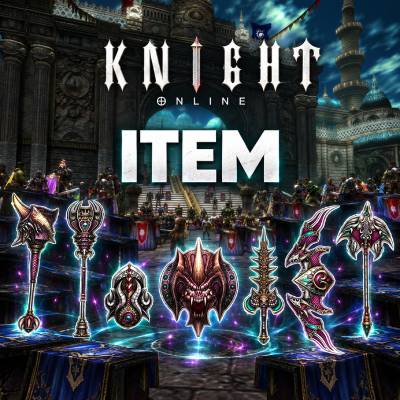
Three things set the price: class, plus level and server
You may see a price gap of several times between two listings with the same name. The reason is usually one of these three:
- Item class. Unique, High Class and Middle Class items sit in different price leagues. But class doesn’t always beat the plus level: a high-plus Middle Class item can sell for more than a low-plus High Class item. Looking only at the number of “+” when you compare two listings is misleading.
- Plus level. When an upgrade fails, the item burns. That’s why the gap between +8 and +9 isn’t linear like the gap between +5 and +6; at the top levels the price multiplies.
- Server. The same item is priced differently on different servers; supply depends on how many players a server has and on its events. Don’t compare prices before selecting your own server in the filter.
As for upgrade rates: Knight Online’s developer has never published an official rate table. All the percentages you find online are based on player observation and can change from one update to the next. That uncertainty is exactly why buying an item that’s already upgraded is attractive.
What to check before you buy
- Set or single piece? Complete 5-piece armor sets sell for more than the pieces added up one by one. If the listing is a set, the description should say which pieces it includes.
- Server match. The item is handed over in person on the server shown in the listing; it can’t be moved to your character on another server.
- Trade readiness. In Knight Online, setting up a merchant stall and trading require SMS verification. Make sure this is done on your account before the delivery appointment; otherwise the seller waits for nothing.
- Inventory space. You need free space in your inventory and your vault at the moment of delivery. A full inventory is the most common cause of delivery delays.
Race and class: making sure you can use the item
Knight Online has two races, El Morad (human) and Karus (orc), and characters are split into six classes: Warrior, Rogue, Mage, Priest, Kurian and Porutu.
Most items are tied to a class. The most common mistake is buying an item your character can’t use because it looked cheap: the item sits in your inventory and can’t be equipped. Narrowing the listings with the class filter rules this mistake out from the start.
The second detail is the level requirement: most high-class items can’t be equipped below a certain level. You can’t use the item until your character reaches that level, so read the required level on the listing card before you buy.
Frequently asked questions
My character can’t use the item I bought. Why?
There are two possible reasons: the item was made for another class, or you haven’t reached the required level. Narrowing the listings with the class filter and reading the required level on the listing card prevents both from the start.
Which server has the most listings?
Select a server in the server filter to see its listings and compare prices. Since delivery is made in person in the game, you need to choose your own server.
Why is the price gap between +8 and +9 so wide?
At the top levels, a failed upgrade burns the item and it’s gone. To produce one +9, a seller may have used up more than one item on average; the price reflects that risk, not just a single item.
Can I move an item from another server to mine?
No. Since delivery is made in person in the game, the buyer and the seller must be on the same server. Check the server shown on the listing card before you buy.
Is it better to buy an upgraded item or upgrade it myself?
If you upgrade it yourself, the cost is the total of the items you use up, and you can’t know that amount in advance. When you buy one ready-made, the price you pay is fixed. At low plus levels upgrading yourself usually works out cheaper; at high plus levels buying ready-made is much more predictable.
Is the listing price negotiable?
The listing price is the price the seller has set. You can ask the seller questions through on-site messages. Don’t take the deal off the site; the escrow protection only covers transactions made through the site.
Payment, delivery times and refund terms: delivery terms · If something goes wrong: complaints and dispute resolution.